From smartphones and laptops to data centers and IoT devices, the digital economy has reshaped modern life with astonishing speed
In 2025 alone, global smartphone sales reached 1.25 billion units, while the number of IoT devices in the market is projected to skyrocket to 29 billion by 2029.
But while the digital economy connects the world, drives innovation and fuels GDP growth, it is simultaneously accelerating us toward a different kind of crisis – one defined by unsustainable resource extraction, mounting electronic waste, rising emissions and widening ecological inequities. It is time for an urgent shift that can achieve financial gains, environmental stewardship and national security goals: The digital world must embrace circularity.
The True Cost of Our Digital Lives
What lies beneath our gleaming devices and smart infrastructure is an extractive and costly supply chain. Manufacturing a single smartphone consumes up to 175 pounds of raw materials in addition to vast quantities of water. A four-and-a-half-pound laptop? It takes 1,764 pounds of inputs to make one.
That resource intensity is magnified by the complexity of today’s devices. Where a phone in 1960 required 10 elements from the periodic table, today’s models use over 60, including critical minerals like cobalt, lithium and rare earth elements. Demand for these minerals is expected to increase fivefold by 2050. But the costs aren’t just environmental – they’re geopolitical.
Cobalt is largely mined in the Democratic Republic of Congo. Lithium production is dominated by Chile and Australia. China processes nearly all natural graphite. This intense concentration of supply raises risks of market instability, political leverage and unethical practices, like child labor and unsafe mining operations. Meanwhile, many resource-rich developing nations remain stuck in the lowest rungs of the global value chain, exporting raw materials and importing environmental damage.
The E-Waste Explosion
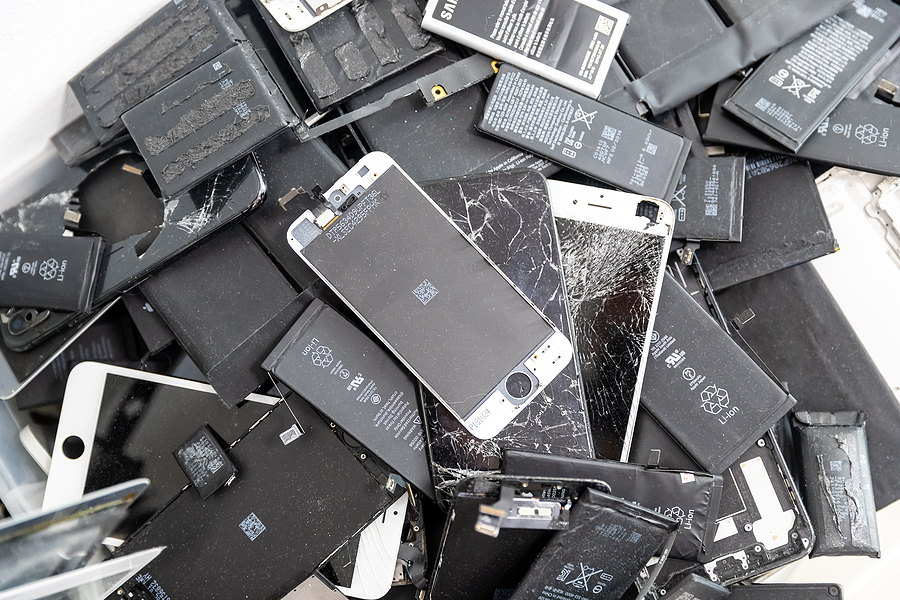
If extraction is the first half of the story, disposal is the other – and it’s just as troubling. Digital waste, especially small IT equipment like smartphones and laptops, rose 82% between 2010 and 2022, now totaling 62 million metric tons annually. Americans alone dispose of an estimated 47 pounds of electronics per person each year.
Globally, just 12% of small electronics are properly recycled. Recycling capacity is growing at a fraction of the rate of production – five times slower, to be precise. Even more alarmingly, only 1% of the rare earth elements used in electronics are recovered from waste.
And much of this waste doesn’t stay local. Wealthy countries frequently export digital scrap to poorer nations ill-equipped to manage it safely. Toxic components leach into groundwater. Informal dismantling operations expose workers, including children, to hazardous materials. In this global digital divide, the poor bear the costs of the rich world’s upgrade cycles.
The Case for a Circular Digital Economy
Our current “extract-make-use-waste” model is not just broken – it’s accelerating planetary harm. What’s needed is a pivot to a circular digital economy, where resource use is minimized, product lifespans are extended and waste is designed out of the system.
Circularity means designing electronics for repairability, reuse, refurbishment and recycling. It also requires halting the perverse incentives that promote programmed obsolescence – where devices are intentionally designed to fail or become outdated in just a few years.
But right now, only 6.9% of the global economy is circular, and that percentage is shrinking. Globally, just 24% of digital waste is formally collected, and in developing countries, that figure drops below 8%. We are leaving massive environmental, economic and ethical opportunities on the table.
Policy and Partnerships: The Road Ahead
We won’t see improvements to these statistics without bold action from both the public and private sectors. Governments should adopt and enforce laws that ban landfilling e-waste of any kind and ban offshore shipping of unprocessed e-waste. Some states in the U.S. already do this, but more uniformity must follow.
Tech companies must take responsibility for designing products that last longer and are easier to fix. Consumers need education – and incentives – to choose repair over replacement and support responsible, certified recycling facilities that specialize in secure, environmentally responsible electronics processing.
And we must ensure that developing countries are not left behind. They need access to the digital tools that will enable them to grow sustainably and participate fully in the global economy – but not at the cost of becoming dumping grounds for toxic e-waste or environmental sacrifice zones for mineral extraction.
The AI Factor
Another significant contributor to the current and future glut of e-waste is AI.
Now that the AI age is truly upon us, the demand for data center capacity is soaring beyond supply. McKinsey projects that AI-ready data center demand will grow at about 33% annually through 2030, potentially leaving a shortfall of more than 15 GW in the U.S. alone. Meanwhile, the volume of AI-enabled devices and infrastructure is exploding: Gartner anticipates AI-capable PC shipments rising from around 40 million in 2024 to roughly 78 million in 2025, more than 30% of all PCs. At the same time, AI’s share of global data-center energy demand, already at around 20% in 2025, could nearly double within one year, approaching 50% of total data-center electricity use.
Proliferating AI devices and infrastructure – from PCs to hyperscale facilities – will strain power, cooling and land resources, potentially compelling tech visionaries to oversee not just new device and platform creation but entire hardware ecosystems.
In the long run, we must remain fully cognizant of responsibly managing all this hardware long term – and safeguarding the data it processes – so we don’t usher in a future ravaged by electronic-waste crises around the globe.
Transitioning to a circular digital economy won’t be easy. It requires coordination across international borders, industries and interest groups. But the stakes are clear.
Circularity is a strategy for resilience, prosperity and national security. It’s a way to align our digital ambitions with the physical limits of the planet. And it’s our best shot at ensuring that the digital economy of the future is smarter, fairer and more sustainable.